
Thursday, April 14, 2022

Wednesday, April 6, 2022

Friday, March 11, 2022
5 STEPS TO PREP YOUR YARD FOR SPRING
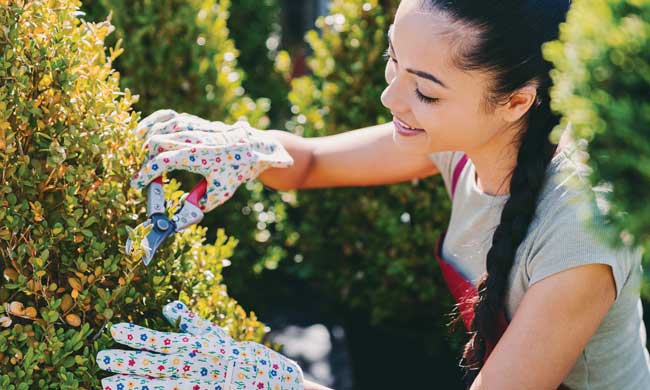
(Family Features) When spring arrives, days of enjoying your outdoor living space aren’t far away. Getting your yard ready for months of outdoor enjoyment will take a little work, but you’ll quickly see and appreciate the results.
These five steps can have you on your way to a lush, healthy lawn and outdoor area in no time.
- Dethatch
Throughout the winter, dead grass and other debris accumulate on your lawn. This waste, known as thatch, can be quite a hindrance to your spring lawn. It promotes fungi, encourages pests and keeps new grass seed from sprouting. You can use a special dethatching rake or any rake with sturdy tines.
- Aerate
Before spreading grass seed, you’ll want to give the new roots room to spread and grow. Aerating the lawn helps make your soil more welcoming to new growth by allowing moisture, nutrients and air to sink deeper into the soil. Depending on the size of area you need to aerate, two of the easiest options are doing the job by hand or using an attachment on a riding lawn mower.
- Prune
The lawn isn’t the only place debris can pile up. Your flower beds and any other vegetation can become a holding ground for twigs, branches, leaves and other yard waste. Give your plants, shrubs and trees a close look to find broken, damaged or dead material and remove it to make way for new growth.
- Weed
Even the healthiest lawns are susceptible to weeds, but getting a jump start on weeding early in the season can help you keep control. You can manage weeds by treating with an herbicide before the sprout or, if you prefer, there are chemical-free alternatives like vinegar, salt or cornmeal. Be aware that many alternative products don’t distinguish between the vegetation you want (like grass) and weeds, so these remedies are best used along borders and within beds to discourage weed growth.
- Seed
Winter weather and wear can cause uneven patches in the lawn. Seeding in the spring requires more work than the fall (especially if you tend to have hot, dry summers), but with enough nurturing and regular water, you can fill those spots in for a more uniform lawn.
Visit eLivingtoday.com for more advice to make your outdoor living space spectacular.
Photo courtesy of Getty Images
Family Features
Friday, December 17, 2021
TIPS FOR MAKING YOUR POINSETTIA SHINE THROUGH THE SEASON AND BEYOND

(BPT) - Few plants are as iconic as the poinsettia. The eye-catching blooms are a holiday tradition around the world. But the blooms aren't a flower at all, they're actually the leaves, or bracts, of the plant. Poinsettia are native to Central America, and in 1825, those stunning red leaves captured the attention of the United States ambassador to Mexico. A century later, the poinsettia was brought to market as a Christmas season plant in the U.S.
Today, red is still the most popular color, making up about 80% of all the poinsettias grown. Breeders around the world are developing new varieties that offer more color choices for holiday décor. Shoppers can choose from brilliant whites, deep burgundy hues, sparkling pinks and a number of other specialty colors.
"Breeders are also enhancing features that make the plants more enjoyable for everyone," says Diane Blazek, executive director of National Garden Bureau. "They're developing varieties that bloom earlier, have longer-lasting blooms and unique bract shapes." National Garden Bureau talked with poinsettia experts to get a few tips for choosing, displaying and caring for this holiday plant.
Choosing your poinsettia
There are a few things to look for when choosing your poinsettia. "Make sure that the small yellow flowers in the center of the bracts (called cyathia - you can use that in your next cocktail party trivia!) are fresh and not turning brown," says Matt Blanchard, product manager with Syngenta Flowers. Poinsettias with withering or missing center flowers are past their prime.
Next, be sure both the leaves and the bracts look healthy. "The foliage can tell you a lot about the health of your poinsettia," says Lisa Heredia, marketing and key accounts for Danziger North America. "Look at the lower foliage and make sure the leaves are green and healthy. Check to make sure the overall plant is well hydrated; you don't want to see any droopy leaves."
Don't overwater
Experts agree overwatering is the most common problem when it comes to poinsettia care. "In the typical home, poinsettia only needs water every 5-7 days," says Rebecca Siemonsma, North American product manager for Dummen Orange. "Pick up the pot and if it feels light, then you want to water it."
The decorative pot covers most varieties are packaged in can add to the problem. They can hold too much water, something poinsettias do not like. Experts recommend punching holes in the bottom of those covers and adding a saucer. Be sure to empty the saucer so the plant is not standing in excess water.
Pairing poinsettia
Beautiful all on their own, poinsettia are also a natural for pairing with other holiday plants. "During the holiday season there is no better way to bring natural color into your décor," says Delilah Onofrey, marketing director, Suntory Flowers. "Mix them in dish gardens with other greenery such as ferns, and other foliage plants. Pair them with other blooming plants such as cyclamen and orchids. Or, have several of the same color in decorative pots for a tablescape."
Poinsettia are not poisonous
It is a common belief that poinsettia plants are poisonous. But the fact is, they're not. An Ohio State University study, conducted in 1971, debunked this myth. Researchers found the plant is not toxic, even in high doses.
Saving the plant for next season
In most areas of the county, poinsettia are considered houseplants. They cannot tolerate temperatures below 50-degrees. If you live in a warmer, more tropical climate, you can plant your poinsettia outside. But, experts agree, it is tough to get them to look as good as they do when you purchase at a garden center. They require very detailed growing conditions. "I am a poinsettia breeder, and I don't even try this at home," adds Siemonsma. "I just throw the plant away at the end of the season and buy new next year."
There really is something for everyone when it comes to poinsettia. "I love the really warm festive feeling you get from the bright beautiful poinsettias on dark December days," says Sirekit Mol, marketing manager and global head of product trade at Beekenkamp Plants. Which one will you choose to brighten your holidays? Visit https://ngb.org/ for some inspiration.
Monday, December 13, 2021
HOW TO INCLUDE BABY AT THE TABLE THIS HOLIDAY SEASON

(Family Features) Your baby’s first holiday season is one to treasure. While you’re busy making memories, remember enjoying a meal together as a family is also a convenient and practical learning opportunity for your little one to explore the world of eating and solid foods.
Babies learn to eat new foods when they are exposed to them. They see their parents model healthy habits or having the opportunity to try new foods, including fruits and vegetables.
Fruit and veggie purees like Gerber 1st Foods and 2nd Foods purees help ensure babies experience a variety of flavors made from real, nutritious foods. The baby food line includes seasonal varieties such as butternut squash, pumpkin and sweet potato plus pear, blackberry orange, peas and apple zucchini spinach.
“I often see parents worried about their baby’s nutrition, especially during the busy holiday season,” pediatric dietitian Marina Chaparro said. “As a parent myself, I firmly believe in having convenient and practical options like packaged purees on hand that do not compromise on nutrition or taste. Options like Gerber's selection of vegetable, fruit and dinner purees conveniently expose babies to a variety of new flavors, including those that may be on the holiday table, but don’t include any added sweeteners babies don’t need in their diets at this stage in their development.”
Chaparro offers these tips to begin forming healthy eating habits and include your baby at the table this holiday season:
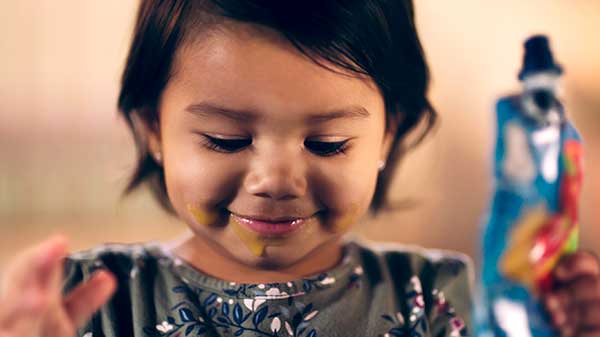 Don't feel like you need to feed your baby separately. Instead, incorporate your baby in the holiday fun. If you’re visiting family, ask for a highchair or bring a portable one to ensure your baby is comfortable and safe.
- Stick to your usual feeding routine so your baby doesn’t get overly hungry or cranky. It’s OK if baby needs to eat before or after the main event; he or she can still be at the table with a nutritious snack or favorite toy. One option is Gerber Natural Whipped Banana Apple Blueberry Melts, which are made from 95% fruit, real egg whites and contain no added sugar.
- Rather than preparing a different holiday meal for your baby, head off the potential of a future picky eater by sharing the same meal everyone else enjoys. You can serve small portions of the same food finely chopped and safely prepared for baby or provide baby with premade food with traditional holiday flavors. Finely shredded turkey pieces and homemade mashed potatoes or sweet potatoes are perfect for babies who are picking up food and eating on their own. For younger eaters, look for developmentally appropriate purees that match what’s on the grownups’ table.
- Allow your baby to play with his or her food. Offer a silicone spoon and allow him or her to explore purees and get messy. Research from Cambridge University found allowing kids to use all their senses to explore foods may help reduce picky eating later.
- Focus more on the experience and less on how much makes it in that little mouth. As parents, it can be difficult not to worry about how much food your baby eats. Instead, focus on providing nutrient-dense meals and a positive environment for your baby to enjoy and interact with the food.
Explore more tips for creating healthy eating habits this holiday season and beyond at Gerber.com.
Helping Baby Discover New Tastes
- When considering which to serve first – fruits or veggies – no hard rule applies, so do what feels right for you and your baby. Remember, it can take up to 10 tries with a new food before he or she decides to give it a go.
- If you’re using baby food packed in a pouch, be sure to squeeze it into a bowl or onto a spoon for feeding for babies under 1 year old.
- Growth spurts can influence hunger. Let your baby’s hunger and fullness cues guide how much he or she eats. Offer a wide variety of foods so he or she can experience different tastes and learn to accept new foods.
Photo courtesy of Getty Images (parent feeding baby)
Gerber
Saturday, November 27, 2021
BE CAR AWARE

Tips to ensure cool weather safety and visibility
(Family Features) There’s a chill in the air, leaves are changing colors and falling from trees and there are more porches decorated for the seasons ahead than the eyes can see. The changing weather also means shorter days and longer nights where visibility becomes critical from sunset to sunrise. Now is the ideal time to ensure your vehicle is ready for the transition of seasons by checking key safety and visibility items.
While it can be picturesque, seasonal weather is often unpredictable, so it’s important to ensure your vehicle is ready for all conditions. Make sure your headlights, wiper blades and windshield washer fluid are ready for the challenges of driving during the fall and winter months ahead.
 Windshield Wiper Blades
Start with checking the windshield wiper blades that work overtime in inclement weather. Flat blade windshield wipers are designed to hug the curve of your windshield and provide a clean wipe. Be sure to invest in a pair of new wiper blades to help give you a clear line of sight behind the wheel as the weather changes.
“To help keep drivers’ windshields clean regardless of the season, PEAK offers a full line of wiper blades that help keep drivers’ windshields clean regardless of the season,” automotive DIY expert Emily Reeves said. “It’s important to make sure you check your car manual to help determine which blade size is right for your vehicle and take into consideration the environmental elements you’ll face heading into fall and winter.”
Windshield Washer Fluid
Wiper blades alone won’t keep leaves, dirt and grime off of your windshield. Next, it’s crucial to check your windshield washer fluid to make sure its fresh and caters to seasonal needs. Be sure to do some research to determine what is best for both your vehicle and local climate, whether that be all-season, bug cleaning or de-icing. Seasonally appropriate windshield washer fluid can help ensure you’re prepared to fight everything from rain, bugs, tree sap and bird droppings from interfering with your visibility and allow you to drive more safely.
Headlights
A clean, clear windshield is nothing if you aren’t able to see more than 5 feet in front of you. Shorter days mean less sunlight and decreased visibility while on the road. Now is also a perfect time to check your headlights to ensure they aren’t dimming, which will reduce visibility, particularly at nighttime. There are options available to suit both drivers who prefer a more golden hue as well as a white halogen glow.
“There is nothing worse than a dim headlight when you’re driving at night, especially as our days get shorter,” Reeves said. “Whether you’re dealing with morning fog or chilly temperature drops, help maintain your visibility with PEAK Power Vision Headlamps, which include options that range from a golden hue to a white halogen glow.”
These tips can help ensure your vehicle is ready to tackle fall and winter weather conditions. For additional insights to maximize your car’s potential, and key products to use as you prepare for the road ahead, visit owi.com/retail/brands/peak-auto.
Photos courtesy of Getty Images
PEAK
Thursday, November 25, 2021

Subscribe to:
Posts (Atom)
Navigating the Daily Grind: Practical Tips for Families to Handle Life's Pressures with Grace Modern family life often feels like a hi...

-
 If you don’t already have half a roll of leftover wallpaper tucked away somewhere in your home, drop in to your local supply store to see...
 -
 December is a great month to cozy things up at home. The brighter and warmer a house looks and feels, the happier you will be. That...
 -
(Family Features) Your baby’s first holiday season is one to treasure. While you’re busy making memories, remember enjoying a meal toget...
