Thursday, February 20, 2020

HOW TO CREATE A MORE FUNCTIONAL LAUNDRY ROOM

(Family Features) A laundry room may be one of the spaces that you use the most, but cramped quarters and clutter can hinder your productivity. Eliminate the excuses and get your laundry room under control with these tips to add function to your washing routine.

Use space wisely. Your laundry room may not have a big footprint, but you probably have more usable space than you realize. Install shelves or storage units on the walls and consider the ceiling as a spot to hang a floating drying rack. Don't overlook the back of the door, where you can mount a storage system or use an over-the-door alternative.

Maximize storage. Many laundry rooms suffer from a lack of storage, which hinders space to fold and manage laundry while making the room less pleasant overall. A durable, attractive organization system like Dimensions by ClosetMaid can add instant organization and style to your laundry room. The system provides numerous design options, convenient accessories and configurations of cabinets and drawers, accommodating virtually any space.

Resist wrinkles. Prevent unsightly wrinkles by hanging garments straight out of the dryer. A hanging rod is easy to install and lets you take advantage of vertical space in smaller rooms. Be sure to also stock up on hangers of various styles so you always have an ample supply ready when the buzzer sounds that another load is ready for your attention.

Promote ventilation. Another common issue in laundry rooms is limited ventilation, which can promote mold, affect air quality and hinder air drying for special garments. A clever way to enhance ventilation while increasing your storage space is ventilated shelving that helps keep air flow moving. For example, ClosetMaid's Premium Wood Kits feature sturdy slatted shelves to stash your laundry essentials and can include accessories like hanging rods.

Create a folding station. One of the biggest laundry pitfalls is folding and putting away clean clothes. A clear, clean space in the laundry room can help nudge you toward completing the task more efficiently. If you have front-loading machines, it may be as simple as adding a counter or sturdy shelf above them. If you use top-loaders, you may need to get more creative. If there's room, a laundry sorter with a flat top is a good solution. Or if floor space is at a premium, you might consider a shelf that mounts to the wall and folds down when you need it.

Get inspired with more ideas to make your laundry room work for you at ClosetMaid.com.

Photos courtesy of Getty Images

SOURCE:
ClosetMaid

Monday, February 17, 2020

REASONS TO FALL IN LOVE WITH HOME OWNERSHIP


Some Highlights:

  • There are many benefits to love about homeownership, and they’re not all financial.
  • Being a part of a neighborhood, driving academic achievement, and improving mental health are just a few of these advantages.
  • Reach out to a local real estate professional today to determine if you’re ready to embrace the rewards of owning your own home.


Tuesday, February 11, 2020

BEAT SUGAR ADDICTION FOR BETTER WEIGHT LOSS RESULTS

(Family Features) If your weight loss goals keep falling flat despite your best intentions, it may be due to an addiction you don’t even know you have. An addiction to sugar doesn’t mean that you can’t resist a slice of chocolate cake; it’s a true physiological addiction.


World-renowned cardiologist and creator of the original South Beach Diet, Dr. Arthur Agatston, believes the secret is cutting out sugar and embracing a keto-friendly lifestyle.

“Sugar addiction, resulting in insulin resistance, is a big contributor to obesity, diabetes and heart disease,” Agatston said. “‘The New Keto-Friendly South Beach Diet’ follows the proven principles of the low-carb South Beach Diet, includes the keto diet’s higher fat and increases lean protein to combat sugar addiction and improve health.”

Agatston’s book is unique in that it follows the proven principles of a low-carb, good-carb, good-fat, healthy-protein approach, layers in science-backed elements of a higher fat diet and modifies it to increase protein.

Consider these insights from Agatson to help a achieve a healthier lifestyle by blending the keto and low-carb approaches into one eating plan:

More carbs and protein than keto: A keto-friendly, low-carb diet does not require a person to be in strict ketosis to put his or her body into fat burning mode, lose weight and reap the health benefits. The heart-healthy eating plan is both low carb and high fat but allows for higher levels of carbohydrates and provide more protein than strict keto.

A different approach to burning fat: A keto and low-carb eating plan switches your body from “fat storage” to “fat burning” by decreasing blood insulin levels without going into ketosis, achieving essentially the same results with a more flexible diet that is low in carbs and high in fat and protein.

Clarity on good vs. bad fats: Research shows saturated fats are generally healthy, and the relationship between omega-6 vegetable oils and omega-3 fish oils has been better characterized. Omega-6 vegetable oils are now classified as bad fats while there is more evidence omega-3 fats are good for you.

Increased metabolism: Metabolism has been shown to increase with lower insulin levels.
When a person eats too much sugar or quickly digestible carbs, their insulin levels increase. If this happens over time, the body responds by going into fat storage mode. Low-carb diets reduce insulin levels, helping unlock that fat so the body can metabolize it at a higher rate.

Conscious timing of meals: Someone who adopts a keto or low-carb diet may also find benefits from intermittent fasting, or extending the time between meals, as an effective strategy to jumpstart weight loss or to get back on track after a plateau. The notion is not that one must fast, but that longer stretches between eating, specifically eating low carb, helps with insulin reduction. An example of this would be to eat breakfast as added food for lunch or eat breakfast for lunch and have lunch as a midday snack.

For more advice to help attain your weight loss goals, visit SouthBeachDiet.com.

SOURCE:
South Beach Diet

Saturday, February 8, 2020

HOW TO START A KETO DIET

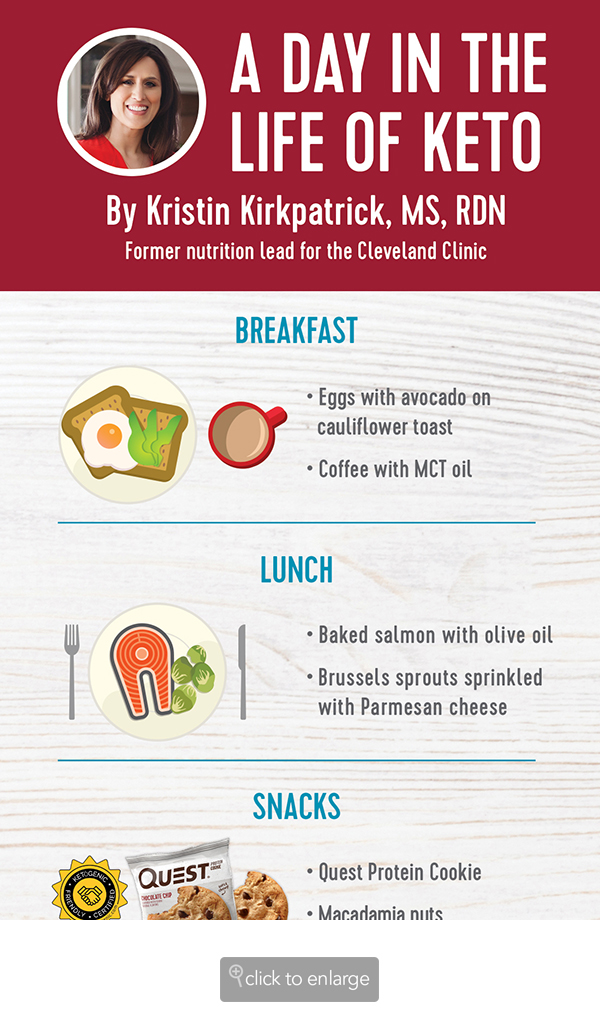
(Family Features) Starting a keto diet continues to be one of the leading trends in nutrition, though many find the transition to be daunting. Kristin Kirkpatrick, RDN, Quest Nutrition spokesperson and former nutrition lead for the Cleveland Clinic, recommends these guidelines for a day on the meal plan to help you get started. Find more information at questketo.com.

SOURCE:
Quest Nutrition

Wednesday, February 5, 2020

PUT SAFETY FIRST

Tips for using power tools like a pro


(Family Features) From quick DIY repairs around the house to contractors on the jobsite, power tools can make nearly any job faster and easier. However, having the know-how to put power tools to use is only half the challenge.

Take a safety-first approach to projects big and small with these tips from the Power Tool Institute, the leading organization for power tool safety resources, information and education.

Start with a safe workspace. Keep your work area clean and well lit. Cluttered benches and dark areas invite accidents. Do not operate power tools in explosive atmospheres or near flammable liquids, gases or dust. Power tools sometimes create sparks, which can ignite flammable materials. Also keep bystanders, children and visitors away when using power tools, as distractions can affect your control.

Be careful with battery power. Lithium-ion batteries have become more popular due to their higher efficiency, larger energy storage capacities, convenience and durability. These attributes make them ideal for cordless power tools but also pose additional safety risks when misused. Do not subject them to physical abuse or allow ingress of liquids. Always choose batteries from the original power tool manufacturer, which are engineered to work optimally with corresponding power tools. Aftermarket or third-party batteries may not include all the safety design features and are not always tested to the same safety standards, making them potentially more dangerous and increasing the risk for fire, property damage or personal injury.

Safe transportation and disposal of lithium-ion batteries is also crucial; avoid contact with metal objects, such as keys, coins, screws or nails. To safely dispose of used lithium-ion batteries, take them to a local recycling center or place in a receptacle specially designed for recycling batteries. Do not place batteries in curbside trash or recycling bins. If the battery is damaged, contact the manufacturer for further instructions.

Honor safe practices from start to finish. Use the right tool for your job, and only use accessories specifically recommended by the tool manufacturer. Accessories that are incorrectly sized or incompatible cannot be properly guarded or controlled, and accessories running faster than their rated speed can break and fly apart. Always make sure the accessory has come to a complete stop before putting the tool down and remove the battery from the tool before changing or adjusting the accessory or when cleaning the tool.

Properly store when not in use. To avoid accidental activation, unplug the cord and remove batteries when a tool is not being used. Also be sure to keep tools away from children and people unfamiliar with operating them.

Find more information on safe battery use at TakeChargeOfYourBattery.com, and visit PowerToolInstitute.com for additional power tool safety and operation tips.

Photo courtesy of Getty Images

SOURCE:
Power Tool Institute

Sunday, February 2, 2020

WINTER SKIN CARE 101

(Family Features) Cold weather can take a real toll on your skin. Dry skin can lead to discomfort and, if neglected, can affect your skin's elasticity and trigger outbreaks of irritated skin. Help keep your skin feeling healthy and hydrated this winter with these tips:

Drink water. Hydrating your body from the inside out plays an important role in keeping skin supple and soft. When you're dehydrated, the body pulls water from any source it can, including your skin. A good rule of thumb is at least 8 cups of water a day.

Hydrate with food. You can also boost your internal water reserves by eating foods rich in water, nutrients, vitamins and beneficial fats and oils. Fish, nuts and avocados all contain plenty of essential nutrients that help promote well-hydrated skin. Foods like cucumber, zucchini, lettuce and watermelon also naturally have a high concentration of water.

Use body lotion. Your skin naturally loses moisture throughout the day through evaporation, but you can help trap the hydration you add from bathing by adding a layer of quality lotion. An option like Remedy Dermatology Series Moisturizing Body Lotion contains a proprietary botanical blend of nutrients, emollients and antioxidants, including green tea, clove and safflower oleosomes. Its smooth, rich formula absorbs quickly, leaving skin feeling soft with no greasy or oily residue. Formulated by skin care experts, the lotion helps skin stay moisturized for up to 24 hours and is free of 80 of the most common allergens that contribute to rashes and skin sensitivity. Learn more at remedyderm.com.

Protect skin. Exposure to harsh weather can quickly dry and chap your skin, so any time you'll be outdoors, especially for extended periods of time, be sure to cover up exposed areas. Keep an extra set of gloves and a scarf in your vehicle so you're prepared for unexpected time outdoors, whether from an accident or impromptu stop at a local park for some fresh air and exercise.


Change out of wet clothes. Always remove wet clothes as soon as possible. Not only do cold, wet clothes affect your body's ability to regulate internal temperature, they can create friction that leads to uncomfortable and painful skin irritation. If getting wet is unavoidable, consider layering your clothing so you can shed wet outer layers quickly before they can soak through.

Use a humidifier. The indoor climate becomes considerably drier in the winter months when the furnace runs regularly. Using a humidifier can help restore a level of humidity that's better for your skin. Aim for humidity levels in the range of 35-50%; depending on your climate, you may need to err on the lower side of the scale to reduce condensation on windows.

Wear sunscreen. Winter sun rays are just as strong as summer rays, even if you don't feel their heat quite as much. In fact, snow burns that result from sun reflecting off the snow can be even more dangerous than regular sunburns. Protect your skin from burning and drying out by using sunscreen with an SPF of at least 15 any time you venture outdoors.

Lotion Do's and Don'ts

Do use lotion, even when your skin doesn't feel dry. Experts say you should apply moisturizer onto damp skin to help lock in any water sitting on the surface before it evaporates.

Don't use too much. Quality moisturizers are highly concentrated and designed to be effective without a thick layer. If you use too much, it's more likely to sit on the surface of your skin, occlude the surface and potentially trigger breakouts.

Do look for products that match your skin type. While there are common allergens that are present in many lotions, an option like Remedy Dermatology Series Moisturizing Body Lotion is free of parabens, fragrances and aloe that can irritate sensitive skin or allergies.

Photos courtesy of Getty Images
SOURCE:
Remedy Dermatology Series

  Navigating the Daily Grind: Practical Tips for Families to Handle Life's Pressures with Grace Modern family life often feels like a hi...