Friday, July 25, 2025


Navigating the Daily Grind: Practical Tips for Families to Handle Life's Pressures with Grace


Modern family life often feels like a high-wire act. Juggling work, school, extracurricular activities, household chores, financial demands, and social lives can leave parents and children alike feeling stretched thin, overwhelmed, and disconnected. The constant pressure of "doing it all" can erode peace and lead to stress, conflict, and burnout.

But it doesn't have to be a constant battle. While pressures are an inescapable part of life, families can learn to navigate them with greater ease, resilience, and joy. It's not about eradicating stress, but about developing practical strategies to manage it better and foster a supportive, connected home environment.

Here are some practical tips for families to handle daily life pressures:

1. Prioritize and Simplify ruthlessly.

The biggest pressure often comes from trying to do too much. Sit down as a family (or at least as parents) and identify your core values and priorities.

  • Say "No" More Often: It’s okay to decline extra commitments that don't align with your family's core values or capacity.
  • Distinguish "Must-Do" from "Nice-to-Do": Not everything needs to be perfect. Is a spotless house more important than a relaxed evening with your kids?
  • De-clutter: A less cluttered home often means less time spent cleaning and organizing, reducing a significant source of daily friction.

2. Foster Open and Honest Communication.

Many pressures escalate when feelings are bottled up. Create an environment where everyone feels safe to express themselves.

  • Regular Check-ins: Schedule brief family meetings (e.g., once a week or daily over dinner) to discuss schedules, upcoming events, and any concerns.
  • Active Listening: When a family member is speaking, truly listen without interruption or judgment. Validate their feelings.
  • "I" Statements: Encourage family members to express their needs and feelings using "I feel..." statements ("I feel overwhelmed when the house is messy" instead of "You always leave messes").

3. Share the Load – Delegate Responsibilities.

Parents often shoulder the majority of household and emotional labor. Involving every family member, even young children, can significantly reduce pressure.

  • Age-Appropriate Chores: Assign chores that are suitable for each child's age and ability. Even toddlers can help put toys away.
  • Chore Charts/Delegation: Use visual aids like chore charts. Be clear about expectations and responsibilities.
  • Let Go of Perfectionism: When delegating, accept that tasks might not be done exactly as you would do them. The goal is contribution, not perfection.

4. Schedule Down Time & Connection.

In a busy world, unstructured time and genuine connection often get squeezed out. Make them a priority.

  • "Sacred" Family Time: Designate specific times for family connection – a shared meal, a game night, a walk in the park – and protect it from other commitments.
  • Unstructured Play: Allow children (and adults!) time for free play, exploration, and simply "being" without a strict agenda.
  • One-on-One Time: Even 10-15 minutes of dedicated one-on-one time with each child can significantly strengthen bonds and reduce behavioral pressures.

5. Practice Self-Care (Parents Too!).

You cannot pour from an empty cup. Parents need to prioritize their own well-being to effectively manage family pressures.

  • Short Breaks: Take mini-breaks throughout the day – step outside for a breath of fresh air, listen to a favorite song, do a quick stretch.
  • Protect Sleep: Adequate sleep is crucial for managing stress and maintaining a positive outlook.
  • Pursue Hobbies: Schedule time for activities you enjoy, whether it's reading, exercising, or connecting with friends. Model healthy coping mechanisms for your kids.

6. Embrace Imperfection.

The pressure to be a "perfect family" with perfect kids and a perfect home is immense and unrealistic.

  • Lower Expectations: Realize that some days will be chaotic. Embrace the mess, the noise, and the imperfections.
  • Focus on Progress, Not Perfection: Celebrate small wins and acknowledge efforts rather than striving for an unattainable ideal.
  • Cultivate Gratitude: Regularly acknowledge the things you are thankful for, even amidst the chaos. A positive mindset can shift your perception of pressure.

7. Develop Emotional Regulation Skills.

Life will inevitably bring big feelings. Learning to manage them healthily is vital for everyone.

  • Name Emotions: Help children (and yourselves) identify and name what they're feeling ("It looks like you're feeling frustrated").
  • Coping Strategies: Teach and model healthy coping mechanisms like deep breathing, taking a break, talking it out, or engaging in a calming activity.
  • Create a "Calm Down Corner": For kids, a designated space with comforting items can help them regulate their emotions.

8. Seek Support When Needed.

No family is an island. Don't be afraid to lean on your support network.

  • Friends & Family: Connect with other parents who understand your struggles. Share tips, vent, or even arrange childcare swaps.
  • Professional Help: If pressures feel overwhelming and are impacting mental health, consider seeking help from a therapist, counselor, or family coach.
  • Community Resources: Explore local community centers, parenting groups, or online forums for support and practical advice.

Handling daily life pressures is an ongoing journey, not a destination. By implementing these practical tips, families can cultivate a more resilient, connected, and joyful home environment. Remember, progress, not perfection, is the goal. A little intentional effort each day can make a world of difference in transforming chaos into calm.

Friday, July 11, 2025

REFLECTING ON CREATION: UNDERSTANDING OUR PURPOSE IN LIFE


Have you ever strolled through a park, fully appreciating the beauty that surrounds you? If not, it is an experience worth having. Take a moment to gaze at the trees and clouds, and feel the sun's warmth on your skin. Breathe in the scent of the grass and observe the small yet vibrant life that exists around you. Have you ever contemplated the origins of this natural splendor?

In our fast-paced lives, we often overlook the beauty surrounding us. However, when we take a moment to pause, breathe, and reflect, we start to recognize the richness of our existence. This mindfulness fosters a deeper appreciation for life and helps us realize that we, too, are part of a greater creation.

The entirety of creation serves a distinct purpose, originating from a singular source: our Creator, commonly referred to as God. The profound love He exhibited through the act of creation serves as a reminder of what truly matters in our lives.

What truly holds significance is not our accomplishments or the possessions we have acquired, regardless of their value. The words of Geoffrey Chaucer, a 14th-century poet, resonate profoundly: all good things must eventually come to an end, a sentiment that has never felt more relevant.

What truly matters is our identity and the direction we are heading. We often ponder our future and what awaits us at the end of our lives. A fundamental question that has echoed through the ages is the inquiry into our purpose: why are we here?

To find an answer, take a moment to appreciate the beauty surrounding you and consider the source of its creation. Recognizing this will illuminate your unique purpose; you were designed to cultivate a relationship with a loving God.

The foundation of our relationship with God begins within each of us, as we face a pivotal choice. Our loving Creator does not impose His love upon us; instead, He respects our freedom to choose whether to approach Him. His unwavering love is evident in His continuous care for the world, serving as a gentle reminder that He patiently awaits our return. Ultimately, we will all confront a decision that is inescapable, and the choices we make will carry profound implications that resonate throughout eternity.

The significance of this matter cannot be overstated. It represents our choice and shapes our destiny. Ultimately, the decision lies with you. A loving God patiently awaits your decision.


Thursday, July 10, 2025

As we age, we often find ourselves with increased leisure time, prompting moments of reflection on both our past and present lives. Personally, I take time to meditate on my experiences, cultivating a sense of gratitude for the present rather than dwelling on regrets. While my life has had its challenges, I recognize that these hardships have shaped my character and resilience.

Additionally, I have embraced my Christian faith, which has evolved over time; although I always believed in God, my spiritual awareness deepened as I transitioned from the carefree days of adolescence to the responsibilities of adulthood. 

This shift brings about inevitable changes, such as entering the workforce, starting a family, or grappling with the passage of time. Ultimately, this journey leads to greater wisdom and self-awareness, prompting us to contemplate our past, present, and future. I have learned that a strong foundation is essential for navigating the uncertainties that lie ahead.

My foundation is rooted in my Savior, Jesus Christ, who has supported me throughout my life, often without my awareness. It took me over sixty years to embrace Christ, but that moment marked the best decision I have ever made.

Upon surrendering my life to Him, I experienced an inexplicable peace that resonated deeply within my soul. This transformation also opened my eyes to the true significance of life, helping me discern what truly matters from what does not.

I have recently taken to reading the Bible, which I consider a fundamental guide for living. Each day, as I engage with its teachings, I discover not only deeper insights about myself but also a clearer understanding of my Savior and His purpose for my life. This journey has illuminated my future, dispelling any uncertainty I once felt about what lies ahead.

I engage with a daily journal that deepens my understanding of God's guidance in my life. Throughout my Christian journey, I have embraced the belief that my destiny lies not in my own hands but in those of my Savior. This realization brings me a profound sense of comfort.

You too can experience this sense of comfort. There is no longer a need to struggle with everyday challenges, anxiety about the future, or feelings of inadequacy that others may impose upon you. Instead, you will come to recognize your own significance and understand, deep down, that you possess inherent value.

No matter where life takes you or your current situation, remember that you are cherished, you hold intrinsic worth, and you have a unique purpose. When reflecting on your past, shift your focus away from regrets and instead celebrate your achievements. Use these accomplishments as a foundation to guide your future, looking forward rather than dwelling on what has already transpired.

Becoming aware of your true self is a profound experience, one that reveals the essence of who you are. This self-awareness is a precious gift, bestowed upon you by the Creator who knows you intimately. Even if you have not yet established a personal relationship with Him, rest assured that He loves and cares for you deeply, far beyond your comprehension.

It is essential to recognize that your existence holds significance; you have a unique purpose in this world. The gift of life is invaluable and cannot be repaid, yet you are not required to do so. Instead, focus on cherishing and appreciating what you have, for this gratitude will pave the way for a certain and peaceful future. This sense of tranquility is something I possess, and I believe it is attainable for you as well.

Wishing you abundant blessings and good health now and in the future.

Valerie McConville


Friday, March 3, 2023

A SPRING SPREAD ANY BUNNY CAN CREATE


(Culinary.net) With spring in the air, it’s the perfect time to invite guests over for a hopping party. It’s also a great opportunity to tackle that dreadful spring cleaning and spruce up your living spaces with vibrant decor for visitors to enjoy alongside a delicious recipe.

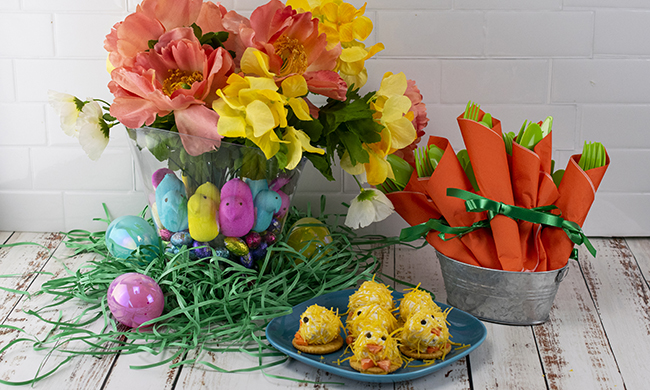
With this sweet, colorful table arrangement, your whole family can get into the spring spirit. From festive utensils, a bright centerpiece and cute snacks, your spring setup can be fresh and fabulous.

It’s simple to put together and easy on the budget. Pair it with appetizers or even a main dish for a full spring party spread that’s sure to impress.

Find more springtime recipes at Culinary.net.

Watch video to see how to create this Spring Table Spread!


Chick Cheese Balls

Recipe adapted from Hallmark.com
Yield: 10 chicks

  • 1  package cream cheese
  • 1/4  tablespoon garlic powder
  • 1  tablespoon Worcestershire sauce
  • 1/2  lemon, juice only
  • salt, to taste
  • pepper, to taste
  • 1 cup finely shredded cheddar cheese
  • crackers
  • carrots
  • whole black peppercorns
  1. Using mixer, combine cream cheese, garlic powder, Worcestershire sauce and lemon juice. Add salt and pepper, to taste. Refrigerate mixture 1 hour.
  2. Using fingers, form about 1 tablespoon of cream cheese mixture at a time into balls. Refrigerate 30 minutes on small baking sheet.
  3. Before serving, roll each ball into shredded cheddar cheese to cover. Place each ball on round cracker.
  4. Cut small triangles from carrots for beaks and feet. Press carrots onto cheese balls. Add peppercorns for eyes.

Carrot Utensils

  • Orange napkins
  • green plastic silverware
  • green ribbon
  1. Lay napkins flat on table. Place one of each utensil in napkin facing top corner. Wrap napkin around utensils. Tie ribbon around middle of napkin. Place in bowl or basket on table.

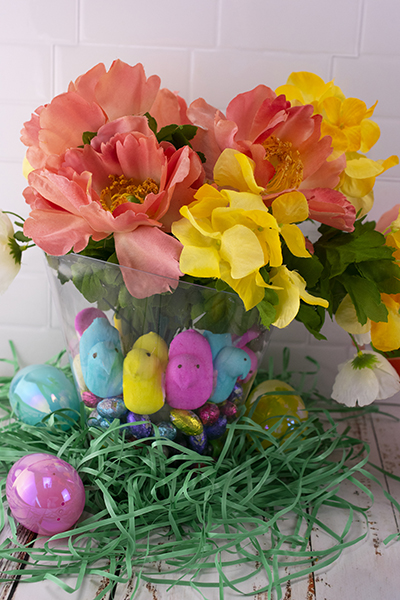
Spring Table Centerpiece

Recipe adapted from Craftmorning.com

  • Jelly beans
  • chocolate coated candy eggs
  • marshmallow chicks
  • fresh or fake flowers
  • plastic or dyed eggs (optional)
  1. Place medium bowl inside large dish. Pour jelly beans and chocolate coated candy eggs around bowl.
  2. Add marshmallow chicks around dish on top of candies. Arrange fresh or fake flowers in center. Set on table as centerpiece. Place eggs around dish, if desired.
SOURCE:
Culinary.net

Sunday, February 26, 2023

CELEBRATE EASTER WITH FAMILY-FRIENDLY FUN


(Family Features) Gathering for Easter means bright decor and flavorful food with those you hold nearest and adding some extra “egg-citement” to the holiday can come easy. Let your inner kid shine through with games and activities everyone can enjoy whether it’s at the kitchen table, in the backyard or gathered around for story time.

Hunt for Easter Eggs
Likely the most popular Easter activity of all, hiding plastic eggs full of candy and goodies for kiddos to “hunt” brings plenty of smiles and giddiness. Whether your gatherings typically take place in a family member’s backyard or a local park, it’s an exciting way to get youngsters outdoors for a friendly (yet probably competitive) game.

Bake Desserts
Every holiday comes with its own flavorful traditions and Easter is no exception. From sweet, fresh, fruity desserts to chocolatey delights, baking your family’s favorites is a fun way to bring everyone together in the kitchen. Assigning specialized roles in an easy solution for ensuring all feel involved. Little ones can gather and organize ingredients while older kids measure cups, tablespoons and teaspoons to show off their math skills. Finally, adults can handle cutting and cooking so safety comes first.

Decorate Eggs
Keep the fun in the kitchen by using eggs (real or plastic) as the canvas for creativity. Dyes are a popular choice, but you can also paint or simply use markers to decorate to your heart’s desire. Add final touches with glitter, fabric or ribbons to truly make your creation your own.

Enjoy the Outdoors
Depending on where you live, Easter often presents opportunities to celebrate outdoors. Turn back the clock with kid-friendly classics like tag, hide and seek, backyard sports and more. The best part: These beloved games are meant for all ages, meaning everyone in the family can get in on the fun.

Pass Down Family Stories and Traditions
Whether your loved ones live down the street or across the country, holidays bring people together. These moments spent sharing meals, playing games and looking back on the past are a perfect opportunity for passing down stories and traditions, from studying the family tree to sharing the secrets to favorite recipes. Encouraging elders to share their experiences helps ensure traditions are passed from generation to generation and connects the past to the present and future.

Find more Easter “egg-tivities” to share with your loved ones at eLivingtoday.com.


Photo courtesy of Unsplash


SOURCE:
Family Features

Friday, January 6, 2023

Healthy Habits for Your Home


(Family Features) If you’re like most Americans, health is an important aspect of your resolutions when each new year rolls around. While factors like diet and exercise are keys to healthy living, so are the ways you care for your home and belongings.

Your home living environment plays a major role in your health and comfort, so incorporating some new habits like these from the cleaning experts at Swash Laundry Detergent can help you establish a healthier lifestyle.

Control Air Quality
Especially during the winter months when your home tends to be closed tight, air can grow stale. Do your best to keep air quality strong by opening windows on mild days to circulate fresh air, using an air purifier to remove irritants and pollutants, frequently vacuuming and sweeping to keep floor dust and debris under control and regularly cleaning textiles that can trap allergens and other particles.

Scale Back Detergent Use
Using too much laundry detergent isn’t just risking buildup and unnecessary wear on your washer and dryer; it can also increase the residue and buildup in your clothes, which can lead to skin irritation and damage fabric faster. Using only what you need helps protect your belongings and your skin. An option like Swash Laundry Detergent, which features a Precision Pour Cap, dispenses the detergent for you, so you only pour what you need to effectively clean each load and fight stains. A single bottle of the ultra-concentrated formula – available in Simply Sunrise, Free & Clear and Pure Linen scents – washes up to 83 loads while taking up less space than traditional, bulky detergent bottles.

Make Use of Natural Light
When winter brings day after day of dark, dreary weather, it can take a toll on your mood. Brightening your living space with natural light can positively influence your emotional state while helping with your electric bill. If you’re concerned about privacy, utilize window treatments at night, but let the sunlight bring good cheer to your living spaces during the day.

Switch Bedding on Schedule
While you sleep, your body sheds oils, cells and elements you carry into your home like pollen. Sheets should be washed once a week on the hottest water setting your fabric will tolerate (check tags for laundering directions on your sheets before washing). If your schedule makes weekly washing, drying and remaking the bed unrealistic, consider having a couple sets you can rotate so you always have fresh, clean sheets waiting to remake your bed on laundry day.

Work Up (and Wash Out) a Sweat
The materials that keep you feeling cool and fresh by wicking away sweat can quickly get stinky, but over-washing can make them lose their shape and fade. Even so, washing after every use is a must. Washing workout clothes inside out exposes the surfaces that have absorbed sweat and body oil to detergent and agitation. Be sure to close zippers, buttons, clasps and other fasteners to prevent snags. Pre-soaking with equal parts vinegar and cold water can also help eliminate odors, and washing in a gentle, cold-water cycle and drying on low heat can help protect the fabric’s elasticity and wicking properties.

Start your year off right with more advice for healthy habits around the home at Swash.com.

5 Ideas for an Organized, Intentional Laundry Space

Having an organized and decorated laundry room can ease the weight of your to-do list and the tension you feel from the day-to-day grind. It can also help keep your laundry routine simple, orderly and organized. Consider these tips from the laundry experts at Swash:

1. Think like a minimalist.
Empty your laundry space and sort through what you need and what you don’t. Eliminating the extras leaves room to evaluate your space. Consider whether you could organize differently to make frequently used items more accessible and make the most of your storage space. Cutting down on clutter may even make it possible to incorporate shelves or cabinets that add stylish functionality.

2. Update your space with open shelving.
Open laundry shelves offer a sense of more space, and the horizontal lines can lend a sense of calm. For an easy and attractive upgrade, try hanging 2-3 open shelves within easy reach. If you’re hesitant about the open feel, limit to just one shelf for the everyday necessities and keep the rest of your laundry supplies out of sight in a complementing cabinet. Baskets offer another option for concealing your belongings, whether you use them on the open shelves or inside cabinets to keep things tidy and clutter-free.

3. Create a practical workspace.
Mundane laundry chores like folding can be more enjoyable when you have a comfortable, dedicated space for the job. An open counter or table that folds down from the wall gives you the surface you need to fold clothing within your laundry space without disrupting the rest of the house. Other ways to add practical space include areas for sorting garments that need special attention and a place to hang items that shouldn’t be dried in the dryer.

4. Use colors and materials that evoke calm.
Natural materials and a neutral color palette can lend to a more peaceful space. Lighter neutral colors reduce stress and anxiety, promote relaxation and can even make a space feel more expansive. For a calm, refreshing area, start with a base of white then add natural textures like woven baskets, faux or real plants and marble stone accents in the tile flooring or backsplash. Add a calming color like blue to evoke the tranquility of the sky or ocean, or consider green to incorporate the soothing effects of nature.

5. Invest in products that bring you joy.
Choose quality pieces that aren’t overly trendy and will stand the test of time. Consider how your investment of laundry decor, including your washer and dryer, will serve you in the space in the coming years.


Photo courtesy of Getty Images (woman making bed)


SOURCE:
Swash

Tuesday, January 3, 2023

3 Health Care Trends for 2023

(Family Features) With many people preparing for health and wellness resolutions in the new year, understanding the state of access to care and other patients’ booking choices may give a sense of optimism for 2023.

To examine the outlook for 2023, Zocdoc, a free platform where people can find and book in-person or virtual health care appointments across more than 200 specialties and 12,000 insurance plans, analyzed appointment booking trends and conducted a provider survey. The results are reflected in the report, “Healthcare Hope For the Holidays: 2022,” which provided three key insights.

Happier Providers, Happier Patients
Provider and health care staff burnout can have a negative effect on patient experience, and 52% of providers surveyed indicated they agreed or strongly agreed practices will face increased financial challenges in 2023. However, savvy providers and support staff are taking steps to run more efficient practices, including using technology. This saves providers time and stress, giving them more time to focus on patient care.

In 2022, positivity pervaded providers’ perspectives on technology:

  • 64% of providers indicated they agreed or strongly agreed their scheduling software helped their practice run more efficiently.
  • 57% agreed or strongly agreed their telehealth solution was easy and intuitive to use.
  • 36% agreed or strongly agreed insurance verification and eligibility software helped their practice run more efficiently.

This perspective paints a positive picture for patient-provider relationships in 2023:

  • 71% of providers agreed or strongly agreed scheduling software will help run a more efficient practice.
  • 69% agreed or strongly agreed technology will help practices run more efficiently.
  • 59% agreed or strongly agreed their telehealth solution will become more intuitive and easier to use.

Technology Can Speed Up Access to Care
Amidst the unprecedented landscape of labor and supply costs rising, and physician and staff burnout a reality, innovation is driving positive change for patients. With a growing number of people embracing technology as a driver of access to an improved health care experience, and patients and providers aligned on telehealth as a supplement to in-person care, there are reasons for optimism.

Expediting patients’ access to care by surfacing the 20-30% of appointments that become available last minute due to cancellations and rescheduled appointments allows Zocdoc to enable faster speed-to-appointment for patients, compared to the averages reported in the Merritt Hawkins 2022 Survey of Physician Appointment Wait Times.

  • Cardiology: Typically 1-3 days with 39% seeing a cardiologist within 48 hours, compared to 26.6 days national average appointment wait time
  • Dermatology: Typically 1-3 days with nearly 30% seeing a dermatologist within 48 hours, compared to 34.5 days national average appointment wait time
  • OB-GYN: Typically 1-3 days with nearly 26% seeing an OB-GYN within 48 hours, compared to 31.4 days national average appointment wait time
  • Orthopedic surgery: Typically 1-3 days with nearly 38% seeing an orthopedic surgeon within 48 hours, compared to 16.9 days national average appointment wait time
  • Family medicine (PCP): Typically 1-3 days with 42% seeing a PCP within 48 hours, compared to 20.6 days national average appointment wait time

Looking Back to Look Forward
Unique, actionable insights into consumers’ health care behavior can be derived from 2022 data, providing a glimpse into what’s to come. Examining the industry’s journey affords the opportunity to predict what may continue to resonate in 2023.

For example, patients got back to regular care appointments after delaying or canceling appointments following the COVID-19 pandemic’s onset.

Additionally, telehealth usage declined in all specialties except mental health, moving virtual care toward being a specialty- and case-specific care modality. Consider these appointment trends from January-November:

  • 18% of appointments across all specialties were conducted via telehealth.
  • Excluding mental health, just 9% of booked appointments were conducted via telehealth.
  • 88% of mental health appointments were conducted via telehealth.

To find more information or book an appointment, visit Zocdoc.com.


Photo courtesy of Adobe Stock


SOURCE:
Zocdoc

Wednesday, October 12, 2022

5 EXPERT TIPS FOR TACKLING STINKY WORKOUT CLOTHES


(BPT) - You've probably smelled it: Clothes from yesterday's workout, your kids' ball games, the contents of your spouse's gym bag. Few things are tougher to tackle than the stink from these kinds of clothes.


Why is that? According to the Cleveland Clinic, when bacteria that naturally occurs on your skin comes in contact with sweat, that mix can cause unpleasant odors. And that odor-causing bacteria grows in damp, warm conditions - so the longer the clothes sit at the bottom of a hamper or inside a duffel bag, the worse the smell gets.


Here are some expert tips to get even your family's stinkiest loads smelling fresh.


1. Wash the stinkiest clothes as soon as you can. The longer that odor-causing bacteria sits in the clothing, the more time it will have to grow - and smell even worse.


2. Give them some air. Especially if you can't wash workout clothes or athletic gear right away, air the items out in your laundry room instead of leaving stinky items in a damp, warm heap in a gym bag, basket or hamper.


3. Consider a pre-soak. If you can't wash smelly clothes right away, soak them in either a solution of white vinegar and cold water (one part vinegar to four parts water), or in a sink with one-half cup of baking soda mixed with cold water.


4. Use Lysol Laundry Sanitizer. A quick, easy and effective way to get clothes smelling fresh is to add Lysol Laundry Sanitizer to your laundry load. This liquid laundry additive is specially formulated to kill 99.9% of odor-causing bacteria when added to your laundry routine (when used as directed).


5. Give smelly clothes the cold shoulder. Hot temps in your washer - and dryer - can help the bad smells set into your clothes, so be sure to wash the stinkiest items in cold water, and use the lowest dryer setting rather than drying with high heat.


Passing the smell test


Did you know feet have over 250,000 sweat glands? This creates an environment where bacteria can thrive, which explains why socks can be among the worst smell offenders.


To test the effectiveness of Lysol Laundry Sanitizer, the company's scientists created the "World's Stinkiest Sock," using a synthetic formula that represents the worst foot stink, inspired by live, odor-causing bacteria. If Lysol Laundry Sanitizer can handle the World's Stinkiest Sock, it can handle your stinky loads, too!


Outside Boston's famed Fenway Park in September, actress, comedian, author and mom Rachel Dratch helped launch the #LysolLaundryChallenge, challenging consumers to try Lysol Laundry Sanitizer on their stinkiest laundry loads, or get their money back if they don't love the results. Fans had the opportunity to smell the World's Stinkiest Sock alongside a sock sanitized using Lysol Laundry Sanitizer


To learn more about the World's Stinkiest Sock and the #LysolLaundryChallenge, visit LysolLaundryChallenge.com.


Sunday, October 9, 2022

5 FALL HOME MAINTENANCE TIPS: WHAT YOU DON'T KNOW CAN COST YOU


(BPT) - While home maintenance may seem pricey, being proactive about home upkeep can save more money by preventing expensive repair or replacement costs in the future - not to mention safeguarding against damage to your home. The hard part is knowing how often and what type of maintenance to do, and where to start.


According to State Farm, fall is the perfect time to take care of many jobs, whether by yourself or by hiring professionals. Here are some top maintenance tasks to help protect the largest investment you have - your home.


1. Check your smoke detectors 


According to the National Institute of Standards and Technology (NIST), 96% of homes are now installed with smoke detectors. However, nearly 20% of them have non-working smoke alarms. The NIST estimates that if every home had working smoke alarms, deaths from U.S. residential fires could drop 36%. Why aren't these smoke detectors working? Primarily missing or dead batteries. Smoke detector batteries need to be replaced at least annually, not just when they chirp. The average claim from a home fire according to State Farm is $57,000. So buy some batteries, and replace those old ones.


2. Trim your trees 


Little known fact, you're responsible for the damage if a tree on your property falls on a neighbor's house. Or if a dead branch damages your home, it can result in a homeowner's insurance claim, meaning you have to pay the deductible. For peace of mind, trim the trees on your property every fall. Find tips on tree trimming at StateFarm.com/simple-insights/residence. If you prefer hiring a professional, contact your local State Farm agent and they can help you find an arborist with community roots.


3. Check washing machine hoses 


Did you know a washing machine hose holds 70 pounds of pressure? If it fails, it can spray 650 gallons of water per hour into your home. So if you're away for the weekend and a hose bursts, you may open the door to the equivalent of a 20-foot by 40-foot in-ground pool's worth of water, which can damage floors, drywall and personal items. Between June 2021 and June 2022, State Farm paid nearly $36.7 million to help customers recover from damage due to washing machine hose bursts, with an average claim of over $12,000. Hose maintenance is easy: Inspect the hot and cold washing machine supply lines monthly, looking for blisters, worn tubing, cracks or loose connections. It's best to replace supply hoses every 3-5 years.


4. Conduct a generator safety check 


A portable generator is handy equipment for when the power goes out, and regular maintenance will ensure that it works when you need it. First, always unplug and turn off all power to the generator. Examine the AC wiring and alternator to clear dirt and debris. Inspect the air intake system and replace the air filter. Oil in your generator needs to be changed every 25 hours of running, or one year unused. When you're ready to use the generator, take it outside to a well-ventilated area before starting up. Generators produce carbon monoxide from the exhaust and can cause serious injury or death if used indoors, in a garage (including with open doors) or even on a porch.


5. Maintain your HVAC 


One of the most critical items to maintain is your heating, ventilation and air conditioning (HVAC) system. Regular maintenance helps keep the system in working order, extending the life of the system and saving on energy costs. According to HomeAdvisor, replacing an HVAC system costs from $5,000 to $10,000. To save money and extend the life of your system:


  • Change air filters regularly. Set a reminder every few months to replace filters. Dirty filters can impede airflow and make the HVAC system work harder, decreasing efficiency and increasing energy costs.


  • Schedule regular maintenance checks (spring/fall) from your local HVAC professional. Some HVAC companies and local utilities have service programs where you pay a monthly or annual fee and they will conduct semi-annual maintenance checks. Pros will check the thermostat, clean or replace filters, lubricate moving parts, check refrigerant levels, inspect the condenser and coils and investigate unusual noises. Reach out to your local State Farm agent for a list of reliable HVAC pros.


Take care of your home, so your home can shelter you and your family. These regular maintenance tasks will help reduce the likelihood of unpleasant surprises - and costs - to help give you peace of mind.

Friday, March 11, 2022

5 STEPS TO PREP YOUR YARD FOR SPRING


(Family Features) When spring arrives, days of enjoying your outdoor living space aren’t far away. Getting your yard ready for months of outdoor enjoyment will take a little work, but you’ll quickly see and appreciate the results.

These five steps can have you on your way to a lush, healthy lawn and outdoor area in no time.

  1. Dethatch
    Throughout the winter, dead grass and other debris accumulate on your lawn. This waste, known as thatch, can be quite a hindrance to your spring lawn. It promotes fungi, encourages pests and keeps new grass seed from sprouting. You can use a special dethatching rake or any rake with sturdy tines.
     
  2. Aerate
    Before spreading grass seed, you’ll want to give the new roots room to spread and grow. Aerating the lawn helps make your soil more welcoming to new growth by allowing moisture, nutrients and air to sink deeper into the soil. Depending on the size of area you need to aerate, two of the easiest options are doing the job by hand or using an attachment on a riding lawn mower.
     
  3. Prune
    The lawn isn’t the only place debris can pile up. Your flower beds and any other vegetation can become a holding ground for twigs, branches, leaves and other yard waste. Give your plants, shrubs and trees a close look to find broken, damaged or dead material and remove it to make way for new growth.
     
  4. Weed
    Even the healthiest lawns are susceptible to weeds, but getting a jump start on weeding early in the season can help you keep control. You can manage weeds by treating with an herbicide before the sprout or, if you prefer, there are chemical-free alternatives like vinegar, salt or cornmeal. Be aware that many alternative products don’t distinguish between the vegetation you want (like grass) and weeds, so these remedies are best used along borders and within beds to discourage weed growth.
     
  5. Seed
    Winter weather and wear can cause uneven patches in the lawn. Seeding in the spring requires more work than the fall (especially if you tend to have hot, dry summers), but with enough nurturing and regular water, you can fill those spots in for a more uniform lawn.

Visit eLivingtoday.com for more advice to make your outdoor living space spectacular.


Photo courtesy of Getty Images


SOURCE:
Family Features

Friday, December 17, 2021

TIPS FOR MAKING YOUR POINSETTIA SHINE THROUGH THE SEASON AND BEYOND


(BPT) - Few plants are as iconic as the poinsettia. The eye-catching blooms are a holiday tradition around the world. But the blooms aren't a flower at all, they're actually the leaves, or bracts, of the plant. Poinsettia are native to Central America, and in 1825, those stunning red leaves captured the attention of the United States ambassador to Mexico. A century later, the poinsettia was brought to market as a Christmas season plant in the U.S.

Today, red is still the most popular color, making up about 80% of all the poinsettias grown. Breeders around the world are developing new varieties that offer more color choices for holiday décor. Shoppers can choose from brilliant whites, deep burgundy hues, sparkling pinks and a number of other specialty colors.

"Breeders are also enhancing features that make the plants more enjoyable for everyone," says Diane Blazek, executive director of National Garden Bureau. "They're developing varieties that bloom earlier, have longer-lasting blooms and unique bract shapes." National Garden Bureau talked with poinsettia experts to get a few tips for choosing, displaying and caring for this holiday plant.

Choosing your poinsettia

There are a few things to look for when choosing your poinsettia. "Make sure that the small yellow flowers in the center of the bracts (called cyathia - you can use that in your next cocktail party trivia!) are fresh and not turning brown," says Matt Blanchard, product manager with Syngenta Flowers. Poinsettias with withering or missing center flowers are past their prime.

Next, be sure both the leaves and the bracts look healthy. "The foliage can tell you a lot about the health of your poinsettia," says Lisa Heredia, marketing and key accounts for Danziger North America. "Look at the lower foliage and make sure the leaves are green and healthy. Check to make sure the overall plant is well hydrated; you don't want to see any droopy leaves."

Don't overwater

Experts agree overwatering is the most common problem when it comes to poinsettia care. "In the typical home, poinsettia only needs water every 5-7 days," says Rebecca Siemonsma, North American product manager for Dummen Orange. "Pick up the pot and if it feels light, then you want to water it."

The decorative pot covers most varieties are packaged in can add to the problem. They can hold too much water, something poinsettias do not like. Experts recommend punching holes in the bottom of those covers and adding a saucer. Be sure to empty the saucer so the plant is not standing in excess water.

Pairing poinsettia

Beautiful all on their own, poinsettia are also a natural for pairing with other holiday plants. "During the holiday season there is no better way to bring natural color into your décor," says Delilah Onofrey, marketing director, Suntory Flowers. "Mix them in dish gardens with other greenery such as ferns, and other foliage plants. Pair them with other blooming plants such as cyclamen and orchids. Or, have several of the same color in decorative pots for a tablescape."

Poinsettia are not poisonous

It is a common belief that poinsettia plants are poisonous. But the fact is, they're not. An Ohio State University study, conducted in 1971, debunked this myth. Researchers found the plant is not toxic, even in high doses.

Saving the plant for next season

In most areas of the county, poinsettia are considered houseplants. They cannot tolerate temperatures below 50-degrees. If you live in a warmer, more tropical climate, you can plant your poinsettia outside. But, experts agree, it is tough to get them to look as good as they do when you purchase at a garden center. They require very detailed growing conditions. "I am a poinsettia breeder, and I don't even try this at home," adds Siemonsma. "I just throw the plant away at the end of the season and buy new next year."

There really is something for everyone when it comes to poinsettia. "I love the really warm festive feeling you get from the bright beautiful poinsettias on dark December days," says Sirekit Mol, marketing manager and global head of product trade at Beekenkamp Plants. Which one will you choose to brighten your holidays? Visit https://ngb.org/ for some inspiration.

Monday, December 13, 2021

HOW TO INCLUDE BABY AT THE TABLE THIS HOLIDAY SEASON


(Family Features) Your baby’s first holiday season is one to treasure. While you’re busy making memories, remember enjoying a meal together as a family is also a convenient and practical learning opportunity for your little one to explore the world of eating and solid foods.

Babies learn to eat new foods when they are exposed to them. They see their parents model healthy habits or having the opportunity to try new foods, including fruits and vegetables.

Fruit and veggie purees like Gerber 1st Foods and 2nd Foods purees help ensure babies experience a variety of flavors made from real, nutritious foods. The baby food line includes seasonal varieties such as butternut squash, pumpkin and sweet potato plus pear, blackberry orange, peas and apple zucchini spinach.

“I often see parents worried about their baby’s nutrition, especially during the busy holiday season,” pediatric dietitian Marina Chaparro said. “As a parent myself, I firmly believe in having convenient and practical options like packaged purees on hand that do not compromise on nutrition or taste. Options like Gerber's selection of vegetable, fruit and dinner purees conveniently expose babies to a variety of new flavors, including those that may be on the holiday table, but don’t include any added sweeteners babies don’t need in their diets at this stage in their development.”

Chaparro offers these tips to begin forming healthy eating habits and include your baby at the table this holiday season:

  • Don't feel like you need to feed your baby separately. Instead, incorporate your baby in the holiday fun. If you’re visiting family, ask for a highchair or bring a portable one to ensure your baby is comfortable and safe.

  • Stick to your usual feeding routine so your baby doesn’t get overly hungry or cranky. It’s OK if baby needs to eat before or after the main event; he or she can still be at the table with a nutritious snack or favorite toy. One option is Gerber Natural Whipped Banana Apple Blueberry Melts, which are made from 95% fruit, real egg whites and contain no added sugar.
  • Rather than preparing a different holiday meal for your baby, head off the potential of a future picky eater by sharing the same meal everyone else enjoys. You can serve small portions of the same food finely chopped and safely prepared for baby or provide baby with premade food with traditional holiday flavors. Finely shredded turkey pieces and homemade mashed potatoes or sweet potatoes are perfect for babies who are picking up food and eating on their own. For younger eaters, look for developmentally appropriate purees that match what’s on the grownups’ table.
  • Allow your baby to play with his or her food. Offer a silicone spoon and allow him or her to explore purees and get messy. Research from Cambridge University found allowing kids to use all their senses to explore foods may help reduce picky eating later. 
  • Focus more on the experience and less on how much makes it in that little mouth. As parents, it can be difficult not to worry about how much food your baby eats. Instead, focus on providing nutrient-dense meals and a positive environment for your baby to enjoy and interact with the food.

Explore more tips for creating healthy eating habits this holiday season and beyond at Gerber.com.

Helping Baby Discover New Tastes

  • When considering which to serve first – fruits or veggies – no hard rule applies, so do what feels right for you and your baby. Remember, it can take up to 10 tries with a new food before he or she decides to give it a go.
  • If you’re using baby food packed in a pouch, be sure to squeeze it into a bowl or onto a spoon for feeding for babies under 1 year old.
  • Growth spurts can influence hunger. Let your baby’s hunger and fullness cues guide how much he or she eats. Offer a wide variety of foods so he or she can experience different tastes and learn to accept new foods.


Photo courtesy of Getty Images (parent feeding baby)


SOURCE:
Gerber

Saturday, November 27, 2021

BE CAR AWARE


Tips to ensure cool weather safety and visibility

(Family Features) There’s a chill in the air, leaves are changing colors and falling from trees and there are more porches decorated for the seasons ahead than the eyes can see. The changing weather also means shorter days and longer nights where visibility becomes critical from sunset to sunrise. Now is the ideal time to ensure your vehicle is ready for the transition of seasons by checking key safety and visibility items.

While it can be picturesque, seasonal weather is often unpredictable, so it’s important to ensure your vehicle is ready for all conditions. Make sure your headlights, wiper blades and windshield washer fluid are ready for the challenges of driving during the fall and winter months ahead.

Windshield Wiper Blades
Start with checking the windshield wiper blades that work overtime in inclement weather. Flat blade windshield wipers are designed to hug the curve of your windshield and provide a clean wipe. Be sure to invest in a pair of new wiper blades to help give you a clear line of sight behind the wheel as the weather changes.

“To help keep drivers’ windshields clean regardless of the season, PEAK offers a full line of wiper blades that help keep drivers’ windshields clean regardless of the season,” automotive DIY expert Emily Reeves said. “It’s important to make sure you check your car manual to help determine which blade size is right for your vehicle and take into consideration the environmental elements you’ll face heading into fall and winter.”

Windshield Washer Fluid
Wiper blades alone won’t keep leaves, dirt and grime off of your windshield. Next, it’s crucial to check your windshield washer fluid to make sure its fresh and caters to seasonal needs. Be sure to do some research to determine what is best for both your vehicle and local climate, whether that be all-season, bug cleaning or de-icing. Seasonally appropriate windshield washer fluid can help ensure you’re prepared to fight everything from rain, bugs, tree sap and bird droppings from interfering with your visibility and allow you to drive more safely.

Headlights
A clean, clear windshield is nothing if you aren’t able to see more than 5 feet in front of you. Shorter days mean less sunlight and decreased visibility while on the road. Now is also a perfect time to check your headlights to ensure they aren’t dimming, which will reduce visibility, particularly at nighttime. There are options available to suit both drivers who prefer a more golden hue as well as a white halogen glow.

“There is nothing worse than a dim headlight when you’re driving at night, especially as our days get shorter,” Reeves said. “Whether you’re dealing with morning fog or chilly temperature drops, help maintain your visibility with PEAK Power Vision Headlamps, which include options that range from a golden hue to a white halogen glow.”

These tips can help ensure your vehicle is ready to tackle fall and winter weather conditions. For additional insights to maximize your car’s potential, and key products to use as you prepare for the road ahead, visit owi.com/retail/brands/peak-auto.


Photos courtesy of Getty Images


SOURCE:
PEAK

Friday, October 29, 2021

ADD MEANING TO HALLOWEEN AND SUPPORT A GOOD CAUSE


(Family Features) As the world faces multiple crises, including the COVID-19 pandemic, families may have to adjust traditional trick-or-treating plans again this year. However, there are still ways to help make a difference and celebrate Halloween virtually.

One way to add more meaning to Halloween is to Trick-or-Treat for UNICEF, the United Nations Children's Fund. Celebrating more than 70 years of fundraising, this annual tradition is America’s longest running youth engagement campaign and has raised more than $180 million to help support children’s health care, education, nutrition, safe water, emergency relief and more.

Last year, the beloved program was launched as a virtual experience in an effort to celebrate Halloween responsibly while social distancing. This Halloween, it is evolving into a fully digital experience. Getting involved virtually can prove just as rewarding. 

Funds raised will help support lifesaving work to distribute COVID-19 vaccines to communities, health care workers and families around the world that need them most. As the largest purchaser of vaccines each year, UNICEF is helping lead procurement and distribution in the largest and fastest immunization effort of its kind, and you can be a part of that effort by aiding the organization in raising lifesaving funds and safely celebrating Halloween.

To learn more and get involved, visit trickortreatforunicef.org/join .


Photo courtesy of Getty Images

SOURCE:
UNICEF

Tuesday, October 26, 2021

5 TIPS FOR A STRESS-FREE MORNING


(Family Features) Mornings are often the most important part of the day – they can make or break your mood and set the tone for all of your to-dos. To help combat the hecticness that can arrive when the sun comes up, consider these five tips for a stress-free start to the day.

Fine-tune your fashion at night. Whether you are focused on getting yourself out the door or have kids who need to get to school, planning what to wear the night before can help save time. When the clock is ticking and you have somewhere to be, the fear of a missing shoe or misplaced accessory can throw everything off. 

Express gratitude. Take a few moments after rising to jot down or be mindful of a few things you are grateful for, no matter how big or small. Starting the day in a positive state of mind can lift your mood and provide residual benefits throughout the day.

Organize what leaves with you. Designate a place where everyone can stash the things they need to take when they leave the house – whether it’s a backpack, purse, briefcase or gym bag. When you return home at night, empty used or unneeded items and replace them so you can grab and go in the morning.

Boost your breakfast routine. While cereal or toast are easy standbys, certain days call for a more savory breakfast. Skip dirtying dishes at home and snag Wendy’s on-the-go. Breakfast becomes a breeze with craveable breakfast sandwiches like the Sausage, Egg & Swiss Croissant or Bacon, Egg & Swiss Croissant, both made with fresh-cracked eggs and housed on warm, flaky croissants. For caffeine lovers, grab a hot coffee made with 100% Arabica beans, cold brew coffee steeped for 12 hours or a one-of-a-kind Frosty-ccino – cold brew coffee topped with Frosty creamer – for that extra kick to jump start your day. See the complete breakfast lineup at Wendys.com or on its mobile app.

Avoid distractions. If you’re like many people, reaching for your phone is the first thing you do after opening your eyes. However, this trap can get you sucked into emails, scrolling through your newsfeed or falling into a social media rabbit hole, which devours precious time. Force yourself to leave your phone and other similar distractions out of your morning routine to get out the door more efficiently.

No one wants to start the day in chaos. Simple time management and planning can help make hectic mornings more enjoyable and productive.

SOURCE:
Wendy’s

Saturday, October 23, 2021

PLAN AHEAD FOR THIS YEAR'S HOLIDAY VACATION


(Family Features) Whether your family counts a holiday vacation among your treasured traditions or you’re anticipating a holiday getaway for the first time, getting an early start on your planning can help ensure your trip is filled with good tidings and joy.

Know what you want to spend. If you’re planning to open your wallet a little wider for this trip than you have in the past, you’re not alone. A survey by American Express Travel found more than 60% of travelers are planning to spend more on trips in 2021 since they missed out on travel in 2020. Setting your budget now can help you make choices about things like accommodations and activities while giving you some extra time to save. Working off a budget from the start can also help you take advantage of book now, pay later options that may give you added savings or incentives.

Be conscious of high-demand destinations. Popular travel spots tend to fill up fast, so if you’re considering visiting a high-demand location, be aware of how crowds might affect your plans for everything from wait times at attractions to rental cars and more. According to vacation rental company Vrbo, prime warm-weather destinations where families can spend the holidays together are already facing lower availability for homes, including Florida and Hawaii beaches. Similarly, Maui, Hawaii, has less than 20% of homes available during Christmas week. Ski spots also see a large share of holiday travel, so be prepared if you’re planning on a holiday hot spot.

Manage against the unexpected. Despite all the advantages of planning ahead, it’s impossible to predict unknown variables like the weather when you make travel arrangements months ahead of time. Travel insurance can help protect the majority your investment if you have to cancel your trip. Some policies offer coverage for cancellation for any reason, so you’ll want to research exactly what your policy allows, including weather and pandemic-related cancellations.

Book lodging early. With travel volume up and availability for accommodations already trending downward for the holiday season, consider making reservations sooner than later.

“We typically see December bookings peak in October and November, but families are locking in their holiday vacation plans much earlier than usual,” said Melanie Fish, Vrbo’s travel expert. “Vacation homes have been quickly scooped up during every popular travel season this year, so it’s no surprise families are planning ahead to ensure they have a great place to spend the holidays together.”

Look into local events. In this pandemic age, many attractions and activities have new guidelines, including altered operating schedules, occupancy limits and reservation systems. You can typically find the latest information on websites or by calling ahead. Take these measures into consideration as you’re creating your trip itinerary and organizing advanced reservations.

Consider how the holidays will affect your packing. Traveling during the holidays may mean a different approach to your typical vacation packing. Especially if you’re traveling with children, you’ll need to make space for beloved holiday traditions such as gifts or a visit from a certain jolly old elf.

For more inspiration for your holiday getaway, visit Vrbo.com.


Photo courtesy of Getty Images

SOURCE:
Vrbo

Wednesday, October 20, 2021

MANAGING GRIEF DURING THE HOLIDAYS


(Family Features) The holidays, as well as birthdays and other celebrations, are often difficult for anyone who has experienced the death of a loved one, particularly during the first year of adjusting to life without them.

The holiday season may result in a renewed sense of grief, especially as well-intentioned individuals are encouraging those who are grieving to participate in traditional festivities. While there can be joy in being together with family and friends, the holidays can also bring feelings of sadness, loss and emptiness.

For those who find themselves struggling with grief during the holidays and other celebrations, consider these ideas from Remembering a Life, an online resource from the experts at the National Funeral Directors Association.

Talk About Grief
Grief isn’t a linear journey. Ignoring pain and emotions won’t make it go away. Don’t be afraid to talk about grief with others. Confiding in close family and friends can help a grieving person feel heard and understood.

Establish Boundaries During the Holidays
Friends and family may encourage a grieving person to participate in the holiday just as they normally would. While these intentions are typically good, it is important for the bereaved to set boundaries and focus on what they want. While grieving, one should openly and honestly discuss wishes with friends and family and clarify what they are comfortable with and have the emotional bandwidth to do.

Acknowledge the Loss
Families can find ways to honor their loved one’s physical absence during holiday celebrations by incorporating their spirit into celebrations and holiday traditions. Examples of this could be decorating ornaments in ways that are symbolic of a loved one, cooking their favorite meal or making a memorial donation to a favorite charity.

Reflect On and Embrace Fond Memories
Memories of a loved one, both from the holidays and other special times, are an important legacy. Rather than ignoring these memories, talk about them with family and friends. It’s OK to laugh and it’s OK to cry. One way to facilitate this activity is with Remembering A Life’s Have the Talk of a Lifetime Conversation Cards, which can help families share stories and memories about loved ones and themselves. It can make for a meaningful activity during holiday gatherings.

It is important to remember that even though an individual may be grieving, they can still celebrate and enjoy the holidays. Find support and resources for grief during the holidays and other special times of the year at RememberingALife.com.


Photo courtesy of Getty Images

SOURCE:
National Funeral Directors Association

  Navigating the Daily Grind: Practical Tips for Families to Handle Life's Pressures with Grace Modern family life often feels like a hi...